

By Sports Desk | Published: August 13, 2026:
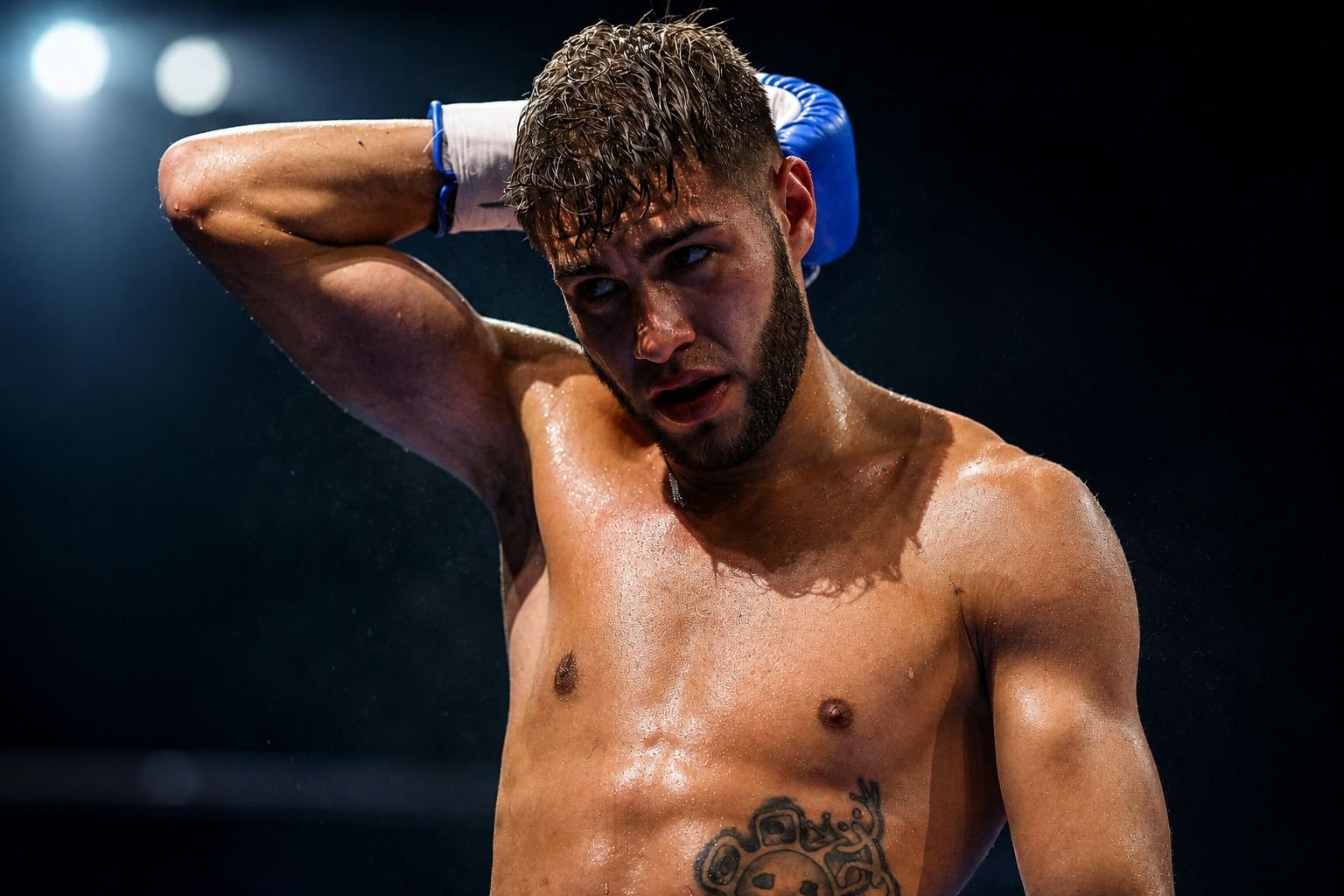
Former Puerto Rican professional boxer Prichard Colón passed away on August 13, 2026, at the age of 33. His passing comes more than a decade after he suffered a catastrophic neurological injury during an October 2015 bout against Terrel Williams. The incident left him in a coma for 221 days and resulted in permanent physical impairment.
His father, Richard Colón, confirmed his passing on social media, prompting tributes across the international combat sports community. Beyond his ring career, Colón’s tragic story fundamentally altered modern boxing protocols, serving as a catalyst for widespread reforms in fight officiating and ringside safety standards.
| Attribute | Profile & Event Details |
| Full Name | Prichard Colón Meléndez |
| Professional Record | 16 wins, 1 loss (13 KOs) |
| Primary Division | Super Welterweight / Light Middleweight |
| Key Amateur Honor | 2010 Pan American Youth Championship Gold (64 kg) |
| Defining Fight | October 17, 2015 vs. Terrel Williams |
| Major Regulatory Legacy | Adoption of the “Prichard Colón Rule” against rabbit punches |
Early Life and Amateur Accomplishments
Prichard Colón Meléndez was born on September 19, 1992, in Maitland, Florida, and spent much of his youth in Puerto Rico. Representing Puerto Rico on the amateur circuit, he established himself as one of the island’s premier boxing prospects.
During his amateur career, Colón secured five national titles. His career reached an early high point in 2010 when he won a gold medal at the Pan American Youth Championship historical records in the 64 kg (141-pound) weight class.
Nicknamed “Digget,” Colón turned professional on February 23, 2013. Competing in the super welterweight division, he compiled an impressive undefeated run of 16 consecutive victories, including 13 by way of knockout, prior to his final fight.
The 2015 Bout against Terrel Williams
On October 17, 2015, Colón met Terrel Williams in a super welterweight contest at the EagleBank Arena in Fairfax, Virginia. Throughout the match, Colón repeatedly alerted the referee that he was taking illegal strikes to the back of the head, an infraction known in boxing as a “rabbit punch”.
Despite point penalties assessed against both fighters, including a deduction against Williams for illegal strikes, the fight continued into the ninth round. Following the conclusion of round nine, Colón expressed severe dizziness. His corner prematurely unlaced his gloves believing the contest had concluded, which resulted in a disqualification victory for Williams.
Upon returning to his dressing room, Colón collapsed and experienced severe nausea. He was immediately transported to Inova Fairfax Hospital. Hospital reports later confirmed a left-sided subdural hematoma, prompting emergency surgical procedures to relieve cranial pressure. He subsequently remained in a coma for 221 days.
Long-Term Care, Rehabilitation, and Support
Following his release from intensive medical care, Colón was transferred to the Shepherd Center rehabilitation facility in Atlanta for long-term care. While unable to walk or speak, he learned to communicate using eye movements, facial expressions, and adaptive computer technology.
His primary daily care was overseen by his mother, Nieves Meléndez, alongside continuous support from his father, Richard Colón. In 2021, Colón successfully underwent a cranial operation in Atlanta to address structural pressure issues.
In honor of his courage and his family’s tireless efforts to raise awareness around fighter safety, the World Boxing Council (WBC) named Colón an Honorary WBC World Champion.
The “Prichard Colón Rule” and Safety Reforms
Colón’s career-ending injury highlighted critical gaps in ring supervision and safety management. In response, sanctioning bodies introduced significant policy adjustments to mitigate the risk of severe head trauma.
The WBC officially instituted the Prichard Colón Rule, aligning with strict World Boxing Council (WBC) safety guidelines to enforce a zero-tolerance standard against illegal blows to the back of the head or neck. Key requirements under this mandate include:
- Mandatory Strict Warnings: Referees are required to issue an immediate formal warning upon the first instance of an illegal strike behind the head.
- Escalated Penalties: Repeated illegal strikes result in prompt point deductions or immediate disqualification.
- Expanded Medical Discretion: Ringside medical personnel are granted greater authority to examine a fighter and advise stopping a bout if illegal trauma is suspected.
Numerous athletic commissions and sanctioning bodies worldwide have since integrated similar regulatory enforcement protocols.
Legal Actions and Lasting Legacy
In 2017, Colón’s family initiated a legal claim against the event promoters and ringside medical staff, citing negligence in failing to stop the bout despite clear warning signs of distress.
In 2025, a petition requesting sanctioning bodies to officially revise the final fight result to a no-contest was declined, keeping the original disqualification intact on his professional record.
Following the announcement of his death on August 13, 2026, organizations including the WBO, WBC, and WBA issued official statements celebrating Colón’s resilience. His enduring legacy remains permanently tied to elevated safety standards and greater protection for professional fighters inside the ring.
For readers interested in a complete visual breakdown of how the 2015 bout unfolded and led to lasting changes in ring safety, check out this Prichard Colon Boxing Documentary.
Read Latest News on trulyblaze.com/sports
